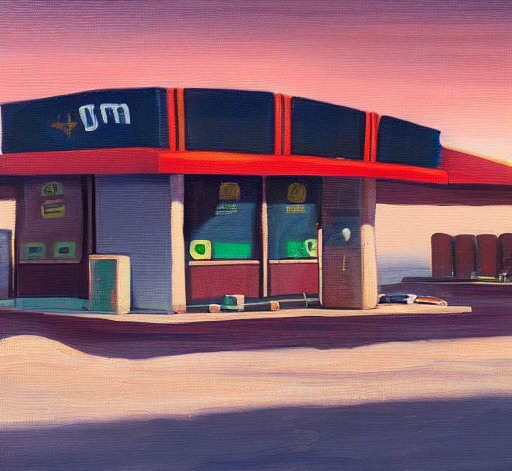
In August 2022, the U.S. Department of Agriculture (USDA) released a Notice of Funding Opportunity (NOFO) for “The Higher Blends Infrastructure Incentive Program” (HBIIP), was designed to “expand the infrastructure” for biofuel development and distribution—that is, to upgrade and/or convert “fueling and fuel distribution facilities” in upgrading to facilities that can distribute ethanol and biodiesel blends. Grant writers should be interested. The NOFO didn’t appear to specify the particular kinds of fuel pumps and other infrastructure that need upgrading, so choosing the specific makes and models of the storage and other infrastructure was (apparently) up to applicants.
The NOFO, however, limited grants to half the cost of the project, so applicants for a $5 million project, for example, needed to find a $2.5 million cost share match. And the same was true of applicants seeking half that amount. Although the program was administered by the USDA’s “Rural Business-Cooperative Service,” the NOFO didn’t appear to specify that projects must occur in rural areas; still, given the nature of the sub-agency that administered the program, betting on a rural target project area seemed wise to us. We looked through the eligibility criteria, however, and and the August 2022 HBIIP NOFO didn’t appear to say that a project absolutely must serve a rural target area. Urban or suburban areas that nonetheless target some rural areas thus might have been eligible.
Projects for that NOFO could have included a variety of aspects, such as:
* Buying or fixing biodiesel blend dispensers and pumps, along with the other material needed to make sure they work.
* Construct or renovate any of the material above.
* Pay for permitting and licensing, which probably includes legal fees
* Other kinds of consultants and fees to complete pre-development of the project
Specifically excluded project activities seemed straightforward and minor. Overall, organizations that wanted to offer biodiesel and other kinds of ethanol infrastructure distribution costs paid for should apply for future versions of HBIIP. Call us at 800.540.8906 ext.1, or email us at seliger@seliger.com, to learn how we can make it easy for you to get your piece of the HBIIP pie. We’ll write your entire HBIIP proposal or edit your draft for a reasonable flat fee. You should call or write regardless of whether you’re an experienced or inexperienced applicant.
We’ve worked on a variety of similar infrastructure projects; for example, we recently worked on a project that is designed to improve the resilience of the U.S. food system by improving operations for small slaughterhouses. Most meat in the U.S. is processed through four large companies (“Big Meat,” if you will), but that also means huge disruptions can occur if any one of those companies has a serious problem. Smallness has some virtues because small organizations often move faster than large ones. Diversity also has some virtues in the form of robustness. HBIIP differed from that project in many important ways, but HBIIP was (and is) also designed to increase American robustness by ensuring that we have access to fuel blends that aren’t wholly pumped or mined from the ground.
Still, the NOFO was surprisingly specific, given that it focused on distribution, not production. Perhaps another NOFO will be issued to deal with biofuels production. We’ll also note that the timing on the August 2022 NOFO was peculiar: although diesel, and biodiesel, were and are going to continue to be an important part of the truck-fuel market for at least the next decade, battery-powered big rigs on the way, so infrastructure with a multi-decade lifespan probably doesn’t make much sense. But, when the funding is available, apply. We’d originally assumed this funding came from the the Bipartisan Infrastructure Law (BIL) passed in 2022, but HBIIP was actually authorized under much older legislation—the “Commodity Credit Corporation Charter Act of 1948.” Which has almost certainly been amended since 1948. Regardless of the authorizing entity, however, $100 million is a lot of money. Expect this program to offer large grants in the future, too.